What Mobile Phones Should Be Able to Do in 2030
Mobile phones have evolved dramatically over the past few decades, transforming from basic communication devices into powerful mini-computers that fit in our pockets. As technology continues to advance at a rapid pace, it’s exciting to imagine what mobile phones might be capable of by 2030. From enhanced AI to immersive experiences, the future of mobile technology promises convenience, creativity, and connectivity like never before.
AI-Powered Personal Assistants
By 2030, mobile phones are likely to feature hyper-intelligent AI assistants that do more than respond to simple commands. These assistants could anticipate our needs, suggest personalized solutions, and handle complex tasks like booking travel, managing schedules, or even offering health guidance based on real-time data. Essentially, phones could become proactive personal managers, reducing daily stress and improving efficiency.
Holographic Displays and AR Integration
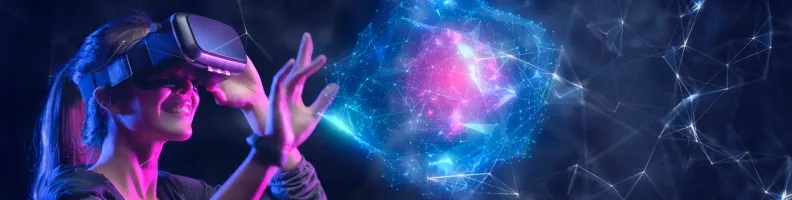
Imagine not needing a screen at all. Future mobile phones may project holographic displays for video calls, gaming, or work presentations. Augmented reality (AR) could become fully integrated, blending digital elements with the real world seamlessly. This technology would allow us to navigate, shop, and interact in immersive ways that today’s devices can only hint at.
Health tracking is already a strong feature in smartphones, but by 2030, devices could monitor vital signs in real-time, detect early warning signs for illnesses, and even suggest personalized wellness plans. With integrated sensors, AI, and cloud connectivity, phones could serve as continuous health companions, providing actionable insights and emergency alerts when needed.
Ultra-Fast Connectivity and Computing
Future phones will likely leverage advanced 6G or even 7G networks, offering lightning-fast connectivity that supports instant downloads, flawless streaming, and cloud-based computing. Combined with edge computing, mobile devices could run complex applications without relying solely on their internal hardware, enabling powerful experiences that rival today’s desktops.
Seamless Device Integration
By 2030, mobile phones could act as the central hub for a fully connected ecosystem. From smart homes and wearables to cars and public services, phones may control and synchronize everything effortlessly. This level of integration would make managing our digital lives smoother, safer, and more intuitive.
Enhanced Privacy and Security
As technology advances, privacy and security will become increasingly important. Future phones might feature sophisticated biometric systems, decentralized authentication, and AI-driven threat detection. These features could prevent hacking, identity theft, and data breaches while ensuring users maintain control over their personal information.
Sustainable and Self-Healing Devices
Environmental concerns will influence mobile phone design by 2030. Devices could be made from sustainable materials, have longer lifespans, and even self-repair minor scratches or battery wear. This would reduce electronic waste and make phones more eco-friendly while maintaining high performance.
Multi-Sensory Experiences
Phones of the future might engage all senses, going beyond touchscreens and sound. Haptic feedback, smell, and even temperature simulation could be integrated into apps and entertainment, making experiences like gaming, virtual travel, and online shopping more immersive than ever.
Final Thoughts
The next decade promises an incredible leap in mobile technology. By 2030, phones could evolve into intelligent, holographic, health-monitoring, eco-friendly, and multi-sensory devices that seamlessly integrate into every aspect of daily life. While some predictions may sound futuristic, current trends in AI, AR, connectivity, and sustainability suggest that our mobile devices will continue to amaze and transform the way we live, work, and play.